
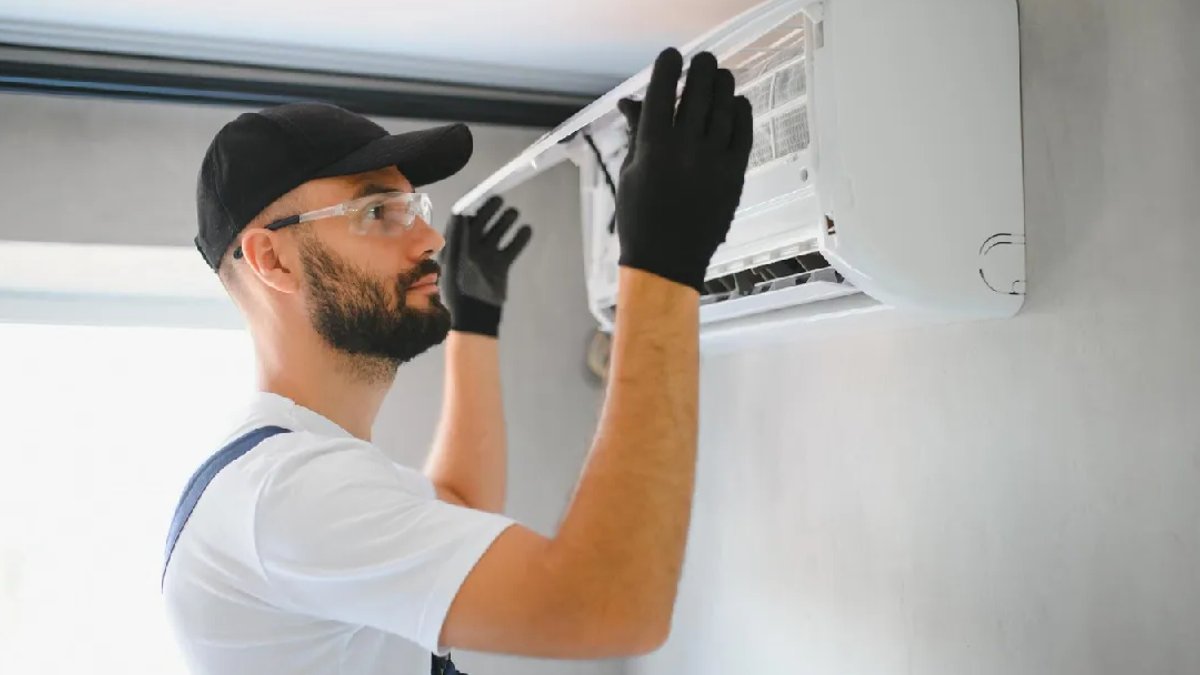
Before an air conditioning unit fails completely, often during peak summer heat, it typically exhibits noticeable warning signals. Recognizing these early red flags allows homeowners to avoid costly repairs, cut energy waste, and preserve indoor comfort. Common indicators that warrant professional evaluation include irregular sounds, diminished airflow, and unexpectedly high electricity costs.
Poor airflow is frequently a major indicator of AC troubles. When certain rooms are colder than others or vents seem to blow weakly, the unit might be failing to move air correctly. Overlooking these issues causes the unit to exert more effort, raising power usage and stressing internal parts.
Air Conditioning Problems
Strange sounds from the unit generally suggest a mechanical problem is forming. Distinct noises can point to specific faults, like loose parts, electrical faults, or failing capacitors. Servicing motor bearings or other moving elements immediately helps stop minor defects from leading to major system damage later.
If the AC produces warm or barely cool air, it often points to a performance failure. Inefficient cooling means the system is running poorly, using more electricity without achieving comfortable indoor heat levels. Issues are frequently caused by low refrigerant, a broken thermostat, or blocked filters.
Rising power costs without higher usage typically show the unit is losing efficiency. As parts degrade, the system must run longer cycles to reach the same indoor temperature. Aging units are particularly prone to this drop in performance, but maintenance can restore efficiency and cut waste.
Importance of Maintenance
AC units naturally switch on and off daily, but short cycling happens when the machine turns on and off in very brief intervals. This pattern places heavy stress on the system and accelerates wear on critical parts. If not fixed, short cycling can reduce the unit’s total life. Checking monthly bills can reveal hidden HVAC issues early.
Visible leaks or excess moisture around the system must not be disregarded, as moisture can cause mold, water harm, and indoor air quality risks. Smells from vents might suggest mold, mildew, or overheating electrical parts. Persistent odors should always be checked by a pro, as they can harm both performance and air quality.
Routine upkeep is one of the best methods to avoid costly HVAC fixes. Seasonal servicing can spot worn parts, airflow limits, and efficiency flaws before they become critical. Homes with regular maintenance usually face fewer unexpected breakdowns and steady cooling in summer.


