
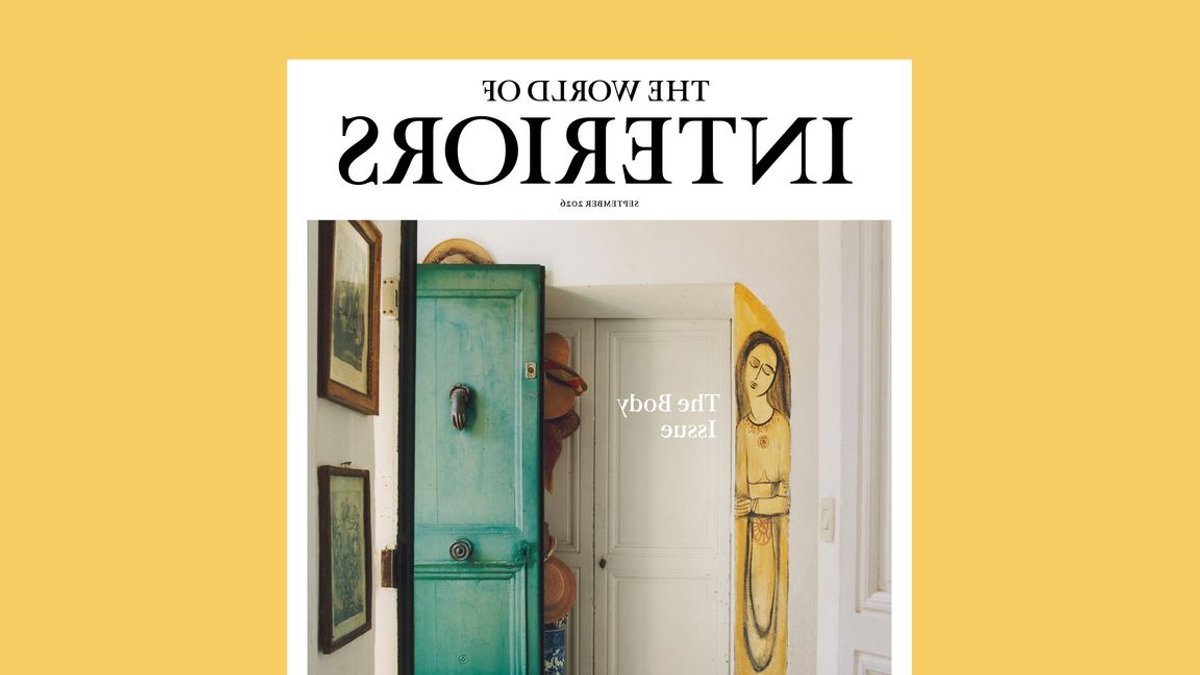
The September edition of The World of Interiors is centred on the human form, a concept the magazine describes as its “body issue.” The theme explores how bodies appear in interior spaces and how anatomy influences design, a focus the editorial team says is timely amid heated debates over artificial intelligence.
Feature stories trace bodies through art and history
One article recounts the life of Audrey Marie Munson, an aspiring actress who became a prolific artist’s model in the early 20th century. Munson’s likeness was used for dozens of statues that still adorn New York bridges and ballrooms, according to writer Rosalind Jana. Another piece, “Room for Debate,” examines “ornamental blackness,” a term coined by Adrienne Childs to describe the use of Black bodies as decorative motifs in luxury arts. Childs writes, “Beauty can obfuscate, and it seems heightened cultural awareness has not reckoned with the manner in which design can normalise racist tropes.”
In the south of France, painter‑ceramicist Lydia Corbett (formerly Sylvette David) showcases a home covered in murals of angels, saints, flowers, animals and pilgrims, as reported by Zing Tsjeng. The article notes that she, once a model for Picasso in 1954, “doubles down on her artistic talents” through the vivid décor.
Related: New Culinary Pavilion Opens at Bandon Dunes
Baroque engraver Martin Engelbrecht contributes a series of prints depicting men and women in work attire, including a “meat dress” that predates modern performance art by three centuries, according to commentator Stephen Patience. The collection highlights how clothing and occupation have historically been rendered in visual form.
Design, craft, and health in diverse cultures
Writer Donna Salek explores the Iranian “zurkhaneh,” or house of strength, linking exercise, ritual and community that have persisted for centuries. In a separate essay, Dal Chodha investigates Japanese lacquerware through designer Issey Miyake, quoting brand leader Satoshi Kondo: “Oftentimes people from outside Japan view lacquerware as a craft object… but it is something held in our hands, connected to our bodies.”
The issue also profiles Croatian outsider artist Emil Milan Grgurić, whose concrete‑clad villa features human figures and severed heads, described by Jelena Dunato as a “Gesamtkunstwerk.” Another feature revisits the Paimio tuberculosis sanatorium built by Alvar and Aino Aalto. Writer Jane Withers calls the building “an eloquent reminder of architecture’s power to heal,” emphasizing its humane design for patients.
Related: Baron Palms Sharm El Sheikh Your Adult Only Paradise
Beyond the magazine, the editorial team released a limited‑edition book titled Top Shelf, which surveys the history of sex and erotica in interior design. The publication includes essays on women’s bodies in 20th‑century design and Catherine the Great’s explicit furniture collection, and is available through the magazine’s website and select retailers.
From a practical standpoint, this focus on the body invites readers to consider how everyday objects—beds, books, tables, spoons—gain meaning only through human interaction. By foregrounding flesh and form, the issue suggests that design can remain rooted in lived experience rather than being outsourced to algorithms.
The edition concludes with a reminder that the pages “have much of a life without a body to interact with,” urging audiences to stay engaged with their own “brilliant, complicated, flawed bodies” as tools for reimagining the world.


