
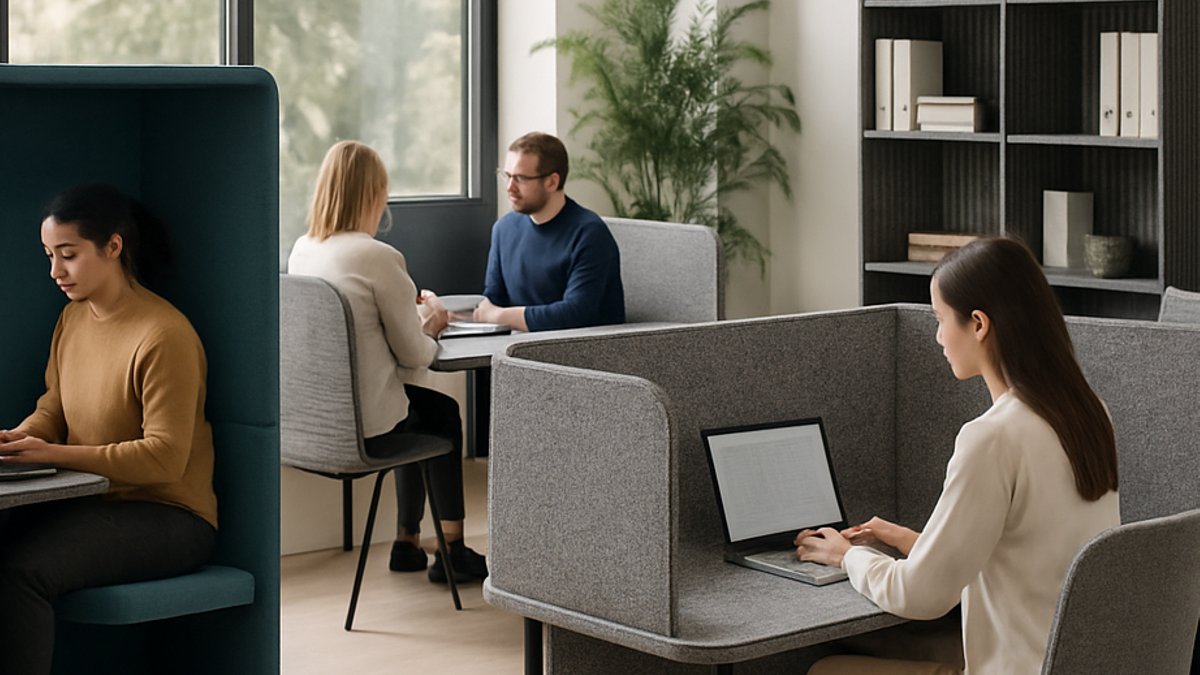
Workplace design has shifted focus from furniture aesthetics and comfort to sound management. The rise of open office layouts and the need for concentrated workspaces have made noise control a critical consideration. Acoustic furniture—including desks, bookshelves, and partitions made with sound-absorbing materials—now plays a central role in shaping office environments to minimize distractions and boost efficiency.
Open-plan offices, initially promoted for supporting collaboration, now present a significant drawback: persistent noise interference. This layout amplifies distractions, impairing employees’ ability to concentrate. Even enclosed meeting rooms suffer from poor acoustics, distorting sound during calls and turning video conferences into echo-filled experiences. Traditional fixes like sound panels or ceiling tiles are often retrofitted rather than integrated into the original design.
Acoustic furniture transforms everyday office elements into tools for managing sound. This development signals a broader change in workplace priorities. Offices are no longer solely about visual appeal or ergonomic support but about creating environments where employees can focus without being overpowered by background noise.
Furniture Designs That Absorb Sound
Desks now incorporate built-in sound barriers with materials that absorb rather than reflect noise. These designs go beyond simple size adjustments, actively reducing reverberation at individual workstations. In shared spaces, they help create separation between workers without requiring full-height partitions.
Bookshelves and cabinets have taken on new functions as mobile sound dividers. They create semi-private zones within open offices while incorporating fabric-wrapped panels or foam inserts to minimize echo. Modular storage units use thick panels made from materials like PET-felt or polyester fiber, which actively absorb sound. These pieces remain flexible, allowing rearrangement as team sizes or workflows evolve without permanent structural changes.
Even seating has received an acoustic upgrade. High-backed or winged chairs now serve as physical barriers between workers, reducing distractions while improving posture. The result is a more personalized workspace, even within shared environments.
Strategic Placement for Quiet Zones
Effective sound management depends not just on furniture selection but on strategic placement. Offices function best when different zones are clearly defined. Collaborative areas require openness, while focused workspaces demand quiet. Acoustic bookshelves or cabinets can mark these transitions, establishing natural sound buffers without sacrificing office flexibility.
Proper spacing is equally important. Crowding desks too closely raises noise levels, making concentration difficult. Companies now prefer spaced-out layouts with intentional dividers. This approach maintains functionality while controlling ambient sound.
The most successful setups combine acoustic furniture with thoughtful spacing. A well-positioned bookshelf can separate a team’s work area from a meeting zone. High-backed chairs create personal sound barriers in shared spaces. Even minor adjustments—like positioning desks away from high-traffic areas—can significantly improve acoustics.
Sound Control Boosts Wellness
Beyond productivity improvements, acoustic furniture offers deeper benefits. Noise functions as more than just a distraction, it acts as a stressor. Research indicates that high ambient noise increases cortisol levels, the hormone associated with stress, while also diminishing creativity and focus. By controlling sound, offices can create environments where employees feel greater control over their work.
This approach doesn’t aim to eliminate all noise, collaboration still requires some ambient sound. Instead, it provides workers with choices. Quiet corners enable deep work, semi-enclosed areas accommodate calls, and open spaces facilitate brainstorming. The best acoustic solutions don’t merely absorb sound but help shape the office’s character, making it adaptable to various tasks and moods.
This trend reflects a fundamental understanding: offices serve as more than workplaces. They represent ecosystems where design, acoustics, and human behavior intersect. As remote work diminishes and hybrid models become standard, the demand for well-designed spaces will continue to rise. Acoustic furniture has evolved from an optional enhancement to an essential component for offices seeking to remain competitive.
Materials and Market Expansion
The materials used in acoustic furniture have also advanced significantly. Newer options include bio-based sound absorbers made from recycled materials, appealing to companies prioritizing sustainability. These materials perform equally well to traditional options while reducing environmental impact.
The acoustic furniture market has expanded rapidly, with manufacturers now offering customizable solutions tailored to specific office layouts. Some providers even offer acoustic assessments where experts analyze an existing space and recommend optimal furniture placement for maximum sound control.
As hybrid work models become permanent fixtures, the need for adaptable acoustic solutions has grown. Furniture that can be easily reconfigured to accommodate changing team sizes or work styles has become a priority. This flexibility ensures that acoustic benefits remain effective even as office layouts evolve.
Some forward-thinking companies have begun integrating acoustic elements into their office branding. The careful selection of sound-absorbing materials and furniture arrangements creates distinctive acoustic signatures that reflect company culture. For example, a creative agency might prioritize soft, warm tones in their acoustic design to support innovation, while a financial services firm might opt for more neutral sound environments to support focused analysis.
Architects specializing in office design report that clients now ask about acoustic solutions during the initial planning phases rather than as an afterthought. This shift indicates a fundamental change in how companies view workplace design, with sound control now considered as important as lighting or temperature regulation.
Employee wellness programs have begun incorporating acoustic assessments as part of their workplace evaluations. Companies now recognize that proper sound management contributes to overall well-being, alongside factors like ergonomics and air quality. This holistic approach to workplace design reflects growing understanding of how environmental factors affect employee health.
Industry conferences on workplace design now feature dedicated sessions on acoustic solutions. Presentations cover everything from material science advancements to case studies showing measurable productivity improvements. The increased attention demonstrates how seriously professionals now take acoustic considerations in office planning.
One notable example comes from a technology firm that redesigned their open-plan office using acoustic furniture. After implementation, they observed a 30% reduction in employee-reported stress levels related to workplace noise. The change also led to a measurable increase in creative output during collaborative sessions.
The acoustic furniture industry has responded to demand with specialized products for different work scenarios. For instance, there are now acoustic solutions designed specifically for call centers, where noise control is particularly critical. Other products target knowledge workers who require extended periods of focused concentration.
Real estate developers have begun marketing offices with built-in acoustic features as premium spaces. Properties incorporating advanced sound management systems now command higher rental rates, reflecting the growing value placed on acoustic quality in workplace design.
One emerging trend involves the use of plant-based acoustic materials that not only absorb sound but also improve air quality. These eco-friendly options appeal to companies seeking sustainable design solutions without compromising on acoustic performance.
As offices become more complex hybrid environments, the need for flexible acoustic solutions will only increase. The furniture and design industry must continue innovating to meet these evolving demands while maintaining the aesthetic and functional qualities that employees expect.
Acoustic furnitu has become a key consideration in modern office design, helping to create environments where employees can focus, collaborate, and thrive.


