
Building a new home now means choosing between modular or traditional site-built construction. The decision affects timelines, costs, and design flexibility, including how the foundation is prepared.
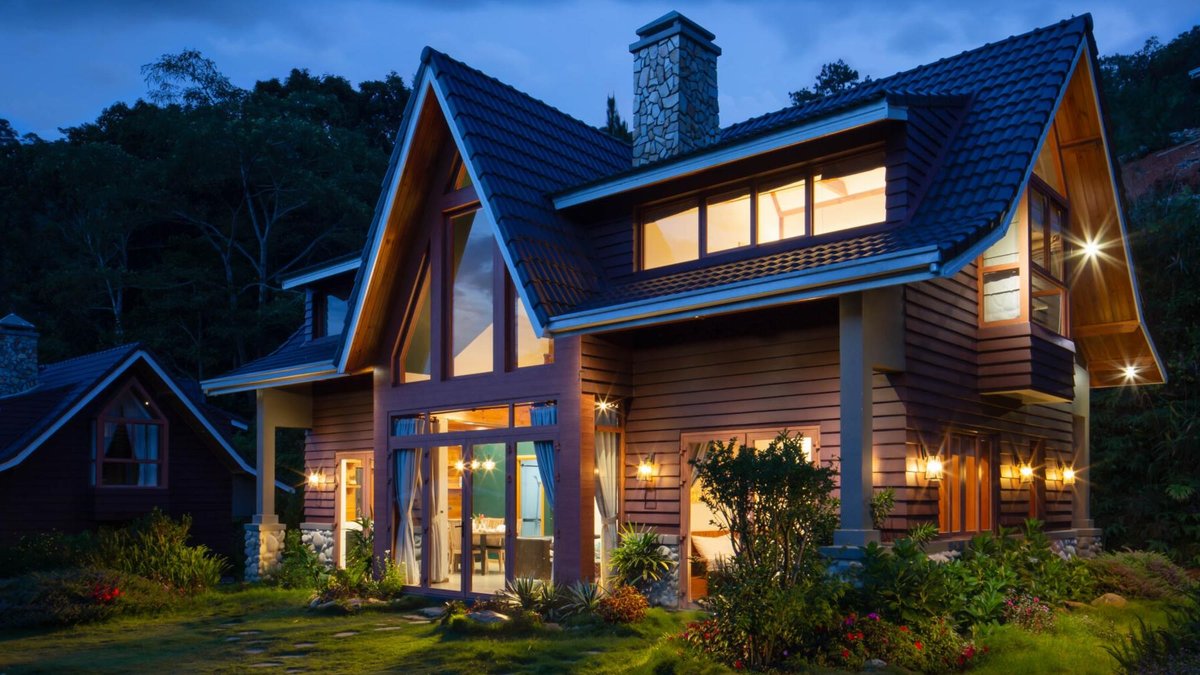
A modern farmhouse with large windows, natural wood finishes, and open living spaces can be built using either method. However, the process, expenses, and structural needs differ.
Modular Construction: Speed and Precision
Modular homes are built in factory sections, then transported and assembled on-site. The approach provides several benefits:
- Construction times are often weeks instead of months.
- Costs remain predictable due to controlled factory conditions.
- Quality control improves with precision engineering, reducing errors.
Yet modular construction has limitations. Shipping dimensions restrict module sizes, and complex rooflines may require creative solutions. Early planning is essential.
The foundation must be precise before modules arrive. Measurements must match factory-built sections exactly, and utilities like plumbing and electrical connections need pre-installation. Cranes and site access also require advance planning.
Common foundation types include slab-on-grade for simpler designs. A mismatch between foundation and modules can lead to delays or expensive corrections, making coordination between manufacturers, builders, and foundation contractors vital.
Site-Built Construction: Flexibility and Adaptability
Traditional site-built homes are constructed on location. This method allows greater flexibility, permitting adjustments for difficult lots, slopes, or custom designs. Homeowners can modify plans as work progresses, adapting to conditions like soil quality or drainage.
The foundation still requires careful planning but allows more room for changes. Custom designs are easier to implement, and issues can often be resolved during early construction. However, this flexibility may result in weather delays, longer timelines, and less predictable expenses.
A poorly designed foundation can cause structural problems or uneven settling. In site-built homes, these risks are managed through gradual adjustments, while modular construction requires upfront precision.
Both methods can produce a well-built, modern home. The choice depends on priorities: speed and efficiency with modular, or flexibility and customization with site-built.
The foundation, often overlooked, is the critical first step. In modular construction, it must be flawlessly engineered to fit prefabricated sections. In site-built homes, it can adapt as the project progresses. Early collaboration between designers, engineers, and builders ensures the structure remains stable.
When the foundation is right, the rest of the home falls into place.


