
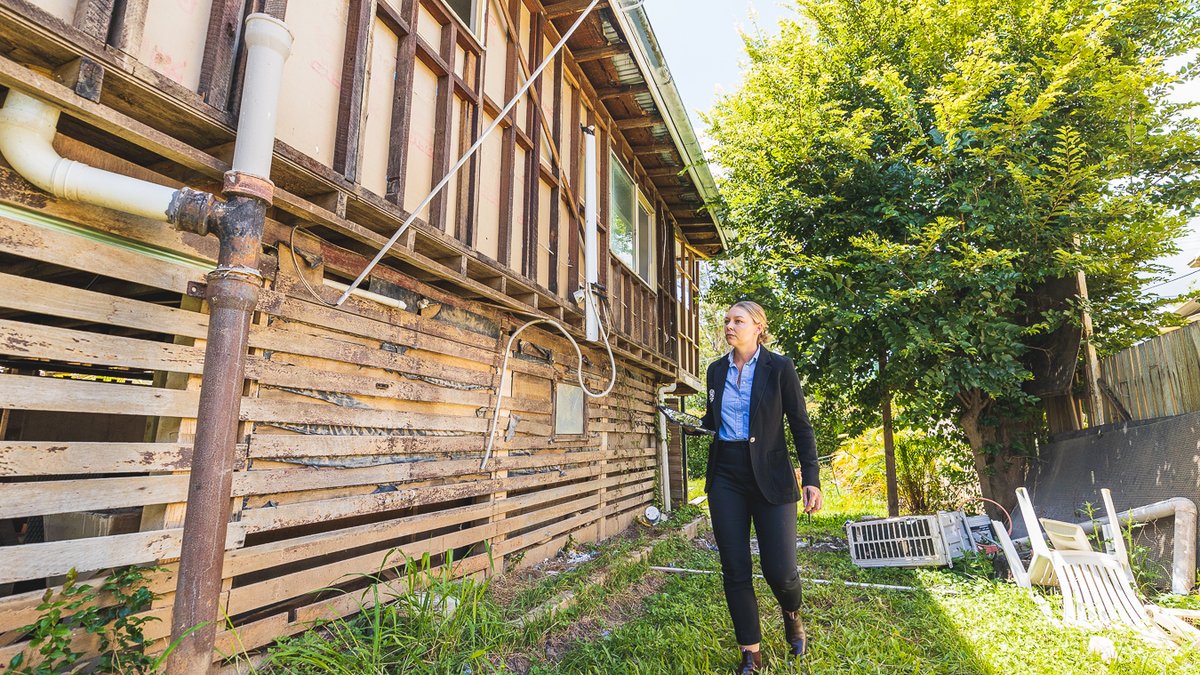
The 2022 floods in South East Queensland and Northern New South Wales highlighted a growing underinsurance risk for property owners across the region.
Floods trigger a surge in rebuilding costs
Heavy rains in February and March 2022 caused rivers to overflow, inundating homes, businesses and factories. The water rose quickly, submerging entire neighbourhoods and forcing emergency response teams to rescue thousands of residents from rooftops and flooded streets. Many commercial premises lost inventory, while schools and hospitals faced temporary closures.
Reconstruction demand spiked at a moment when the building sector already faced labour shortages. Simultaneously, material prices rose, stretching the market beyond pre-flood expectations. The sudden need for timber, steel and cement pushed suppliers to the limits of their inventories, and contractors reported longer wait times for skilled tradespeople.
Why insurance values fall short
A common scenario involves a commercial owner who based coverage on a valuation performed several years earlier. The policy listed a $10 million sum insured, while the true reinstatement cost at loss time was $13 million. That earlier assessment had not accounted for the recent rise in labour rates or the higher cost of imported building components.
When a regional disaster strikes, competing owners vie for the same contractors and supplies. The original gap widens, and the cost to rebuild can climb to $15 million, leaving a $5 million shortfall. The shortage of available crews means that bids increase sharply, and the time required to complete a project often doubles.
Owners rarely choose low coverage on purpose. More often, they let insured values sit unchanged while wages, steel, concrete and mechanical services climb unnoticed. In many cases, the policyholder assumes that a periodic review is unnecessary, not realizing that market conditions can shift dramatically within a few years.
Cost drivers that push gaps wider
Construction cost inflation is a steady pressure. Over time, wages and material prices increase, and a claim forces a fresh calculation that reflects current market rates. For example, the price of structural steel rose by several percent in the months leading up to the floods, adding a noticeable burden to any rebuild.
Demolition and debris removal add hidden expenses. A total loss requires site clearing, hazardous waste handling and disposal, costs that many policies overlook. These activities often demand specialized equipment and licensed operators, further inflating the bill.
For owners, the timing of these spikes matters. When all neighbours need the same trades, the market contracts, and the gap between insured and actual costs can become financially crippling. Delays in securing contractors often translate into additional financing costs, as owners must extend loans or draw on reserves to keep projects moving.
Impact on owners and insurers
Faced with a funding gap, owners may encounter special levies, reduced rebuilding scopes or heightened borrowing needs. Some are forced to inject additional capital to restore their assets, while others negotiate with insurers for partial payouts that do not fully cover the higher expenses.
“When a disaster affects a single building, reconstruction occurs within a functioning market. When a disaster affects an entire region, the market itself changes. Labour becomes scarce, materials become constrained and construction costs can escalate rapidly,” the analysis notes.
“Replacement cost can increase dramatically after a catastrophe because everyone is rebuilding at the same time,” the report adds.
Owners are advised to obtain a fresh reinstatement valuation well before market conditions shift. Updating coverage to include demolition, professional fees and current replacement costs can narrow the exposure. Regular reviews, ideally every two to three years, help ensure that the sum insured remains aligned with the true cost of rebuilding under prevailing economic conditions.
Chart legend and insurance risk insights
The chart’s orange line shows insurance cover, which remains relatively static over time. A green line tracks actual reinstatement cost, which typically rises significantly. A red dashed line marks a major natural disaster, while the green shaded area indicates the significant underinsurance gap.
Acumentis insurance templates recognize that disasters can create labour and material shortages, clearly raising the risk of underinsurance. When underinsurance meets a major disaster, the effect differs by asset type. Past floods and cyclones demonstrate that reconstruction costs are substantially highest immediately after a disaster, precisely when policies are called upon.


