
Outdoor plants enjoy summer’s warmth and humidity on patios and decks, but their time outdoors must end as temperatures drop. Not every plant needs immediate shelter, however. Cold-sensitive varieties like tropicals and tender herbs require priority to avoid damage from frost or prolonged cold. Understanding which plants to move first and how to acclimate them indoors can save both time and plant health.
Preparing Plants for the Move
Before relocating plants indoors, inspect them thoroughly. Check under leaves, along stems, and in soil for pests such as aphids, mealybugs, scale insects, and spider mites. Rinse foliage with water, wipe down pots, and remove dead leaves and debris. Isolating new indoor plants for a few weeks prevents undetected pests from spreading to other houseplants. Environmental shifts also demand preparation. Indoor spaces typically offer less sunlight and humidity than outdoor settings, causing slower growth during winter. Select locations based on each plant’s light needs, and monitor soil moisture to prevent overwatering before giving plants a drink.
Tropical Plants
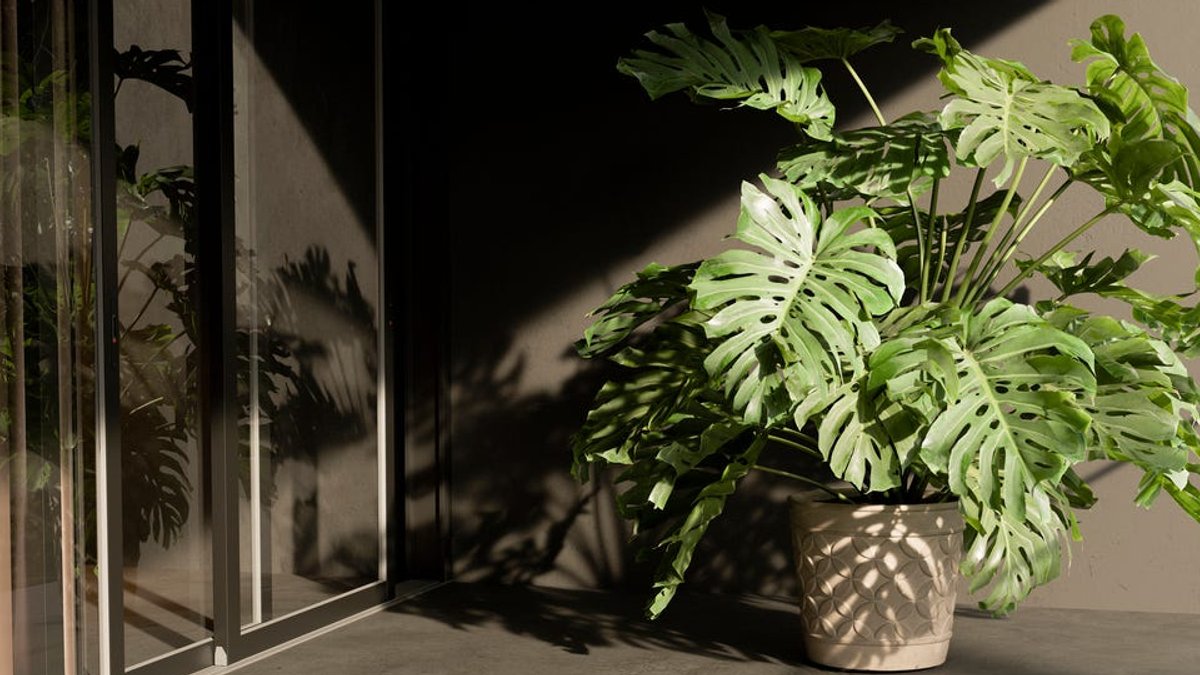
Monstera, philodendron, bird of paradise, and palm plants should be brought inside first. These tropical favorites cannot tolerate cold nights and may become stressed below 50 degrees Fahrenheit. Position them near east-facing windows or a few feet from south-facing windows with bright, indirect light. Grouping plants together increases humidity, which helps combat dry indoor air from heating. Leaf loss during adaptation is normal; patience allows adjustment.
Citrus Trees
Potted citrus trees like lemon, lime, and calamondin must be moved indoors before frost arrives. They require bright, direct sunlight, best provided by south-facing windows or grow lights. Water thoroughly but avoid soggy soil. Pruning should be minimal to retain healthy foliage, as excessive cutting stresses the tree. Leaf shedding during acclimation is expected, but persistent loss signals inadequate light or water.
Tropical Hibiscus
Tropical hibiscus (Hibiscus rosa-sinensis) offers lively blooms but cannot survive freezing temperatures. Relocate it to a sunny window before consistently cold nights. If space constraints exist, moderate trimming preserves health without sacrificing too many leaves. Indoor conditions may reduce blooming or cause leaf drop as days shorten, but the plant remains alive. Maintaining moist (not waterlogged) soil supports recovery, while grow lights supplement weak natural light.
Tender Herbs
Outdoor herb gardens, particularly rosemary, bay laurel, and lemon verbena, need protection from cold. Place them in sunniest windows, using grow lights if natural light falls short of five hours daily. Ensure pots drain well—rosemary prefers slightly dried soil between waterings. Perennial herbs like mint and chives may tolerate cooler temps depending on variety, but basil is highly cold-sensitive and must be prioritized for indoor relocation.
Geraniums and Coleus
Annual geraniums and coleus cannot endure frost but can be preserved via cuttings. Take healthy stem cuttings, remove lower leaves, and root them in moist medium. Established plants may stay indoors if light and space permit, though cuttings save space and accelerate next season’s growth. Monitor soil moisture closely, as overwatering risks root rot in confined indoor conditions.
Succulents and Other Cold-Sensitive Potted Plants
Many succulents, including echeverias and jade plants, suffer cold damage if left outdoors too long. Protect sensitive varieties before freezing temperatures arrive. Unlike tropicals, succulents grow slowly in winter and require less water—let soil dry between waterings. They need several hours of direct sun or bright artificial light daily to thrive.
Read Also: Wētā Workshop Transforms Alexander Skarsgård into Wicker Husband
Cacti and Other Cold-Sensitive Plants
Place sensitive varieties inside before the weather freezes, and check what each type needs instead of using the same rule for all of them. Some cacti and succulents can handle cooler temperatures better than tropical houseplants, but others need to stay much warmer. Since succulents grow slowly or rest during the winter, they usually need less water than in the summer. Let the soil dry out between waterings, and make sure they get several hours of sun or bright light each day.


