
Midwest homeowners face a real test each winter as temperatures plunge below freezing, and the risk of water lines cracking or bursting rises sharply. Preparing your plumbing for freezing temperatures in the Midwest can spare you costly repairs and the inconvenience of a flooded house.
Insulate Vulnerable Sections
Exposed sections in basements, crawl spaces, garages or exterior walls are the most prone to ice formation. When water freezes, it expands and the resulting pressure can split the pipe wall. Applying foam pipe insulation or wrapping heat tape around these sections creates a barrier that keeps the water above its freezing point.
A modest outlay on insulation often prevents damage that would otherwise run into the thousands. Homeowners who skip this step may find a single burst line flooding rooms, damaging flooring and personal belongings.
Seal Gaps and Keep Heat Consistent
Cold air sneaking in through cracks near windows, doors or where water lines enter the house can chill nearby plumbing. Caulking gaps and installing weatherstripping helps retain warm air inside, which not only protects the water system but also trims energy bills.
Related: Most Overlook Proper Furniture Scale When Buying
Maintaining a steady indoor temperature is another key habit. Setting the thermostat no lower than 55°F ensures that warm air circulates around the pipes, even when you’re away. If you plan an extended absence, a remote‑monitoring smart thermostat or a neighbor’s occasional check‑in can keep the house from dropping too low.
Allowing a slow drip from faucets, especially those on exterior walls, relieves pressure that builds when water freezes. The drip need not be strong; a tiny stream is enough to keep the line moving.
Protect Outdoor Connections
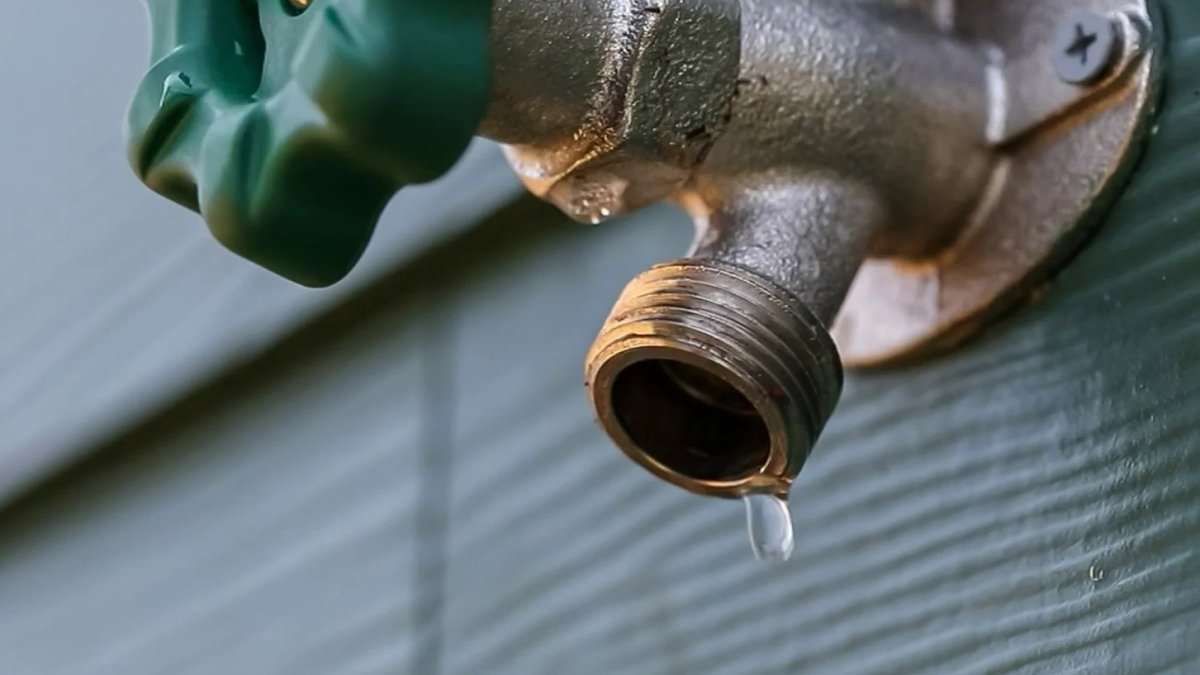
Garden hoses and exterior spigots are often forgotten until a freeze hits. Detaching hoses and draining outdoor faucets removes trapped water that could turn to ice. Frost‑free hose bibs or insulated covers add an extra layer of defense for those exterior outlets.
The water heater also plays a part in winter readiness. Flushing the tank clears sediment that hampers efficiency, and inspecting for wear can catch problems before they worsen. An older unit that struggles to keep water hot may need professional service before the first hard freeze.
Related: Zhou Xue Ming: Fashion’s Favorite Coiffeur
Knowing where the main water shut‑off valve sits can make a huge difference if a line does give way. Quick action to stop the flow limits water damage and speeds up cleanup. Homeowners should test the valve periodically to confirm it turns easily and isn’t blocked by rust or debris.
From a practical standpoint, the combination of insulation, sealing, temperature control and a little vigilance forms a low‑cost safety net. While none of these steps guarantee that a pipe will never freeze, together they reduce the odds enough that most families get through the season without a major incident.
When to Call Professionals
If the checklist feels overwhelming or you lack the tools for insulation and sealing, a qualified plumber can assess the system and finish the work efficiently. Local firms familiar with regional climate patterns understand which areas of a house are most at risk.
Even with all precautions, extreme cold snaps occasionally exceed the design limits of older pipe materials. In those rare cases, a burst may still occur despite best efforts, showing the need for a clear emergency plan.


