
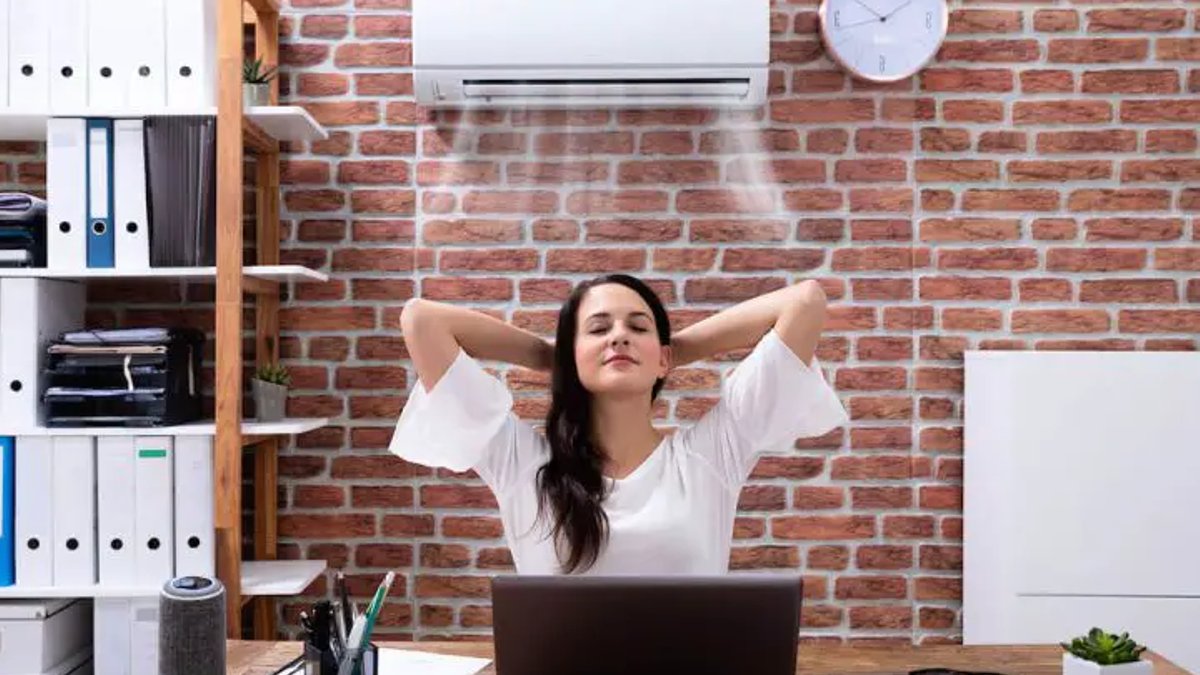
Smart investments that reduce long-term energy costs often begin with the heating and cooling systems inside a house. Homeowners seeking to lower monthly utility bills while enhancing comfort are increasingly turning to upgrades that offer measurable returns over time. Simple habits like turning off lights remain useful, but significant financial savings usually require physical changes to the home structure or equipment.
Upgrading Heating and Cooling Equipment
One of the most impactful decisions a homeowner can make is replacing an aging HVAC system. Older equipment often runs inefficiently, consuming significantly more energy than modern high-efficiency models. These new units are designed to deliver better performance while using less electricity or fuel. If a heating or cooling unit is more than ten to fifteen years old, consulting a professional about replacement options often leads to substantial energy savings over the years. Although the upfront cost can be steep, lower utility bills help offset that initial price fairly quickly.
Related: Trends Fade Quickly While Good Design Endures
Smart thermostats have gained popularity because they allow for automated adjustments. These devices let users create schedules that respond to daily routines and occupancy levels. Rather than heating an empty home, these systems ensure energy is only used when people are actually there. Many models also provide data on consumption patterns, helping owners identify waste. This technology removes the guesswork from temperature control.
Managing the Home’s Thermal Envelope
A home’s insulation plays a critical role in maintaining comfortable indoor temperatures. Poor insulation allows conditioned air to escape, causing HVAC systems to work harder throughout the year. Adding material to attics, walls, and crawl spaces reduces energy loss and improves overall efficiency. This barrier helps keep the house cooler in the summer and warmer in the winter, easing the demand placed on heating and cooling equipment.
Even small gaps around windows and doors contribute to waste. Air leaks let conditioned air out while bringing unconditioned air in. Sealing these leaks with caulking and weatherstripping is often one of the most cost-effective improvements available. This simple upgrade can provide immediate savings while enhancing indoor comfort. While the headlines often focus on expensive equipment replacements, the cumulative effect of sealing every crack and adding a few inches of attic insulation often yields a faster return on investment than a single high-ticket hardware swap.
Related: Cooler calmer homes command higher prices
Routine Maintenance and Windows
Older windows can be major sources of heat transfer. Modern energy-efficient windows are designed to reduce heat gain during summer and heat loss during winter. Replacing windows requires a larger investment, but the long-term benefits often include lower energy costs, improved comfort, and increased home value. Energy-efficient doors offer similar advantages by helping maintain a consistent indoor environment.
Not all energy-saving investments require major upgrades. Routine maintenance is one of the most affordable ways to improve efficiency and extend equipment lifespan. Regular inspections, filter changes, and tune-ups performed by an experienced HVAC contractor help ensure heating and cooling systems operate at peak performance. Well-maintained equipment typically uses less energy and experiences fewer breakdowns than neglected systems. Energy-efficient home improvements often provide benefits far beyond lower utility bills. By investing in efficient HVAC equipment, insulation, smart technology, and routine maintenance, homeowners can enjoy meaningful energy savings for years to come.


