
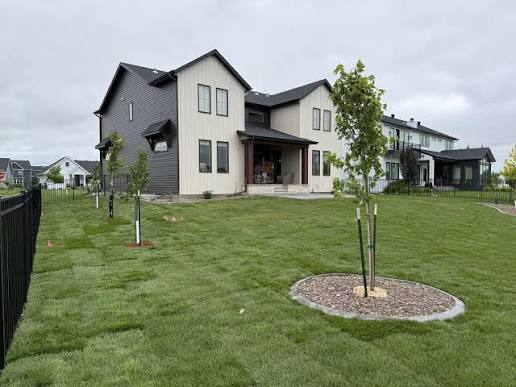
Many homeowners operate under the assumption that a beautiful yard is the result of occasional weekend effort and a few well-placed plants. They often believe that if they simply water enough and mow regularly, the outdoors will naturally thrive. While these tasks are helpful, the reality of maintaining a healthy and functional outdoor space is more nuanced, often requiring a deeper understanding of soil health, seasonal timing, and regional environmental factors.
Assumptions about exterior maintenance worth re-examining
A common oversimplification is that all lawns and gardens require the exact same approach regardless of their specific location. Some homeowners assume that if a particular technique works in one yard, it will yield identical results in another just a few blocks away. However, properties often have variations in sunlight exposure, drainage patterns, and soil composition. What functions well for a shaded garden may not be appropriate for a sun-drenched expanse of grass.
Another frequent assumption is that the primary goal of landscaping is purely aesthetic. While visual appeal is important, an effective landscape design also serves functional purposes, such as managing water runoff, providing privacy, or creating usable zones for recreation and relaxation. When these functional elements are overlooked, the result is often a space that looks pleasant but requires excessive maintenance to keep in good condition. Furthermore, many people rely on store-bought products as a universal fix for every plant or grass issue they encounter, which can sometimes lead to unintended consequences if the underlying cause of the problem is ignored.
What actually tends to matter more for property health
The longevity and vitality of an outdoor space typically depend on consistent, long-term habits rather than sporadic, heavy-duty projects. Soil health is often the most critical component that gets ignored. When the soil is properly balanced with the necessary nutrients, the lawn and landscape become more resilient to common stressors like dry spells or temperature fluctuations. Residents of this region often find that understanding how their specific soil interacts with local moisture levels is the foundation for success.
Additionally, the timing of maintenance activities plays a vital role. Applying treatments at the correct point in the growing season is generally more effective than applying the same product when the grass or plants are dormant. Professionals who provide lawn care services in West Fargo often emphasize that consistent care throughout the year prevents small issues, like thatch buildup or nutrient deficiencies, from escalating into larger, more difficult problems. Proper irrigation practices—such as watering early in the day—also significantly influence how well a lawn sustains itself during times when rainfall is limited.
How to tell the difference between temporary and lasting solutions
When assessing the health of a landscape, it is helpful to distinguish between interventions that provide a quick visual fix and those that improve the system’s underlying health. A quick fix might involve applying a synthetic booster that encourages rapid greening, whereas a more lasting approach involves improving the soil structure so the grass can thrive on its own.
Homeowners can often tell the difference by observing how their yard reacts over time. If a lawn requires increasing amounts of chemicals or water to maintain a basic level of health, it is a sign that the current approach may be focused on symptoms rather than the root cause. Conversely, a healthy landscape tends to stabilize, requiring less intensive intervention as the plants and turf become more established. When working with professionals who provide landscape design in Horace, a helpful question to ask is how their plans promote the long-term sustainability of the materials chosen. Thoughtful design anticipates how plants will grow, how they will interact with the local environment, and how much effort will be required to keep the space looking intentional as the years pass.
Reframing how to think about your outdoor environment
Instead of viewing the yard as a static area that needs to be “fixed” whenever it looks unkempt, it is more productive to think of it as a dynamic system that responds to your input. By observing how different sections of the property behave during various weather conditions, a homeowner can make informed decisions about where to place a garden, which grass varieties may be best suited for certain zones, and where hardscaping might resolve a drainage or traffic issue.
Seeking professional guidance is often the most reliable way to navigate these complexities. Experienced providers offer the advantage of having worked with many different property layouts in the area, allowing them to spot patterns or challenges that a homeowner might miss. Whether you are looking for long-term landscape design in Horace or reliable lawn care services in West Fargo, the most successful partnerships are built on clear communication regarding your goals for the space and a realistic understanding of what the local environment requires.
Rather than approaching your outdoor space as a series of chores to be completed, consider it an investment that appreciates with consistent, informed care. The initial assumption that a yard can simply be managed through reactive effort often leads to frustration. By shifting toward a proactive, system-based mindset, you can create an environment that is not only more resilient and easier to maintain but also more enjoyable to spend time in throughout the changing seasons. The most valuable landscapes are those where every choice—from the type of turf to the layout of a pathway—is made with an eye toward how the space will function and thrive in the years ahead.


